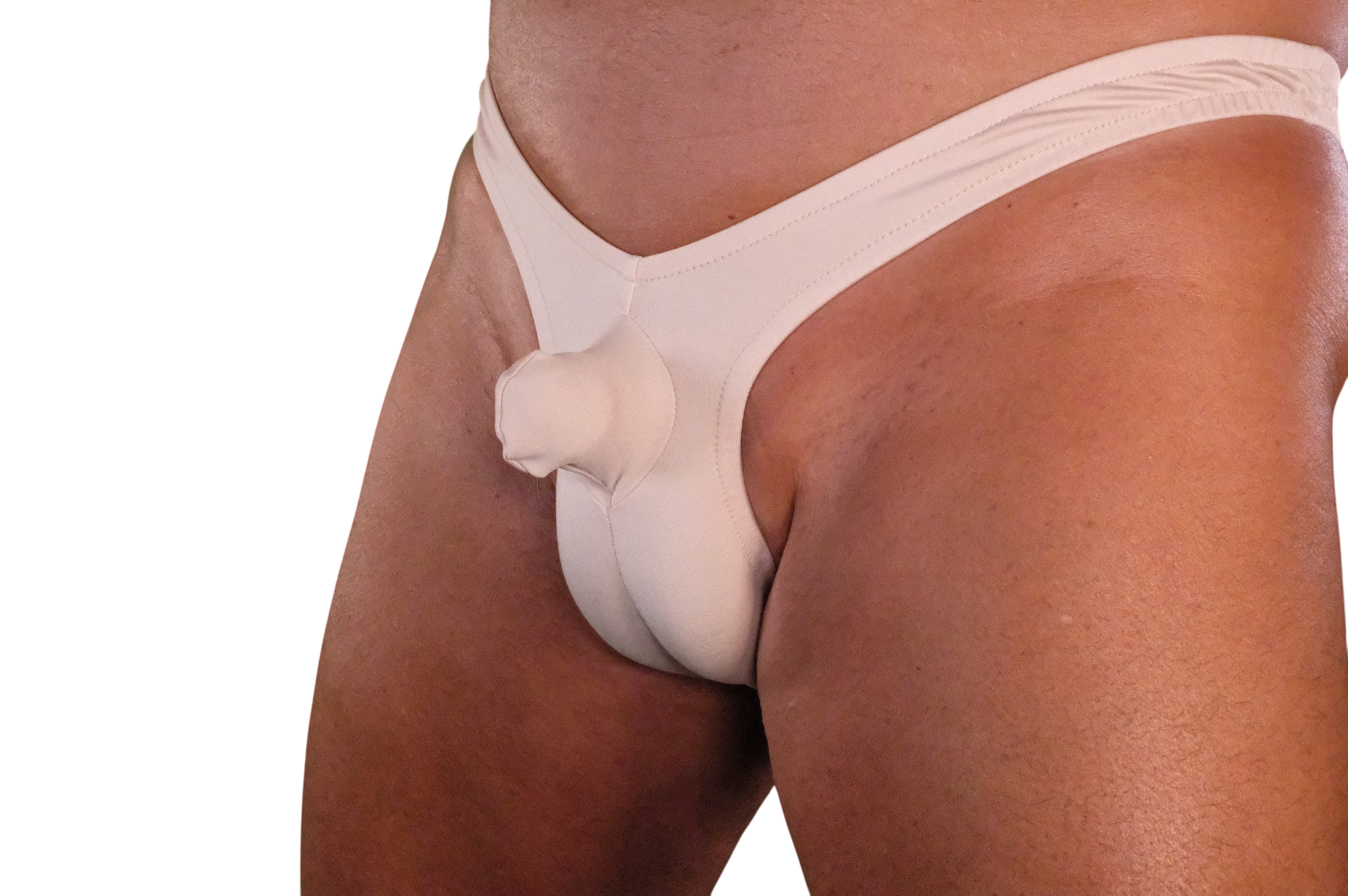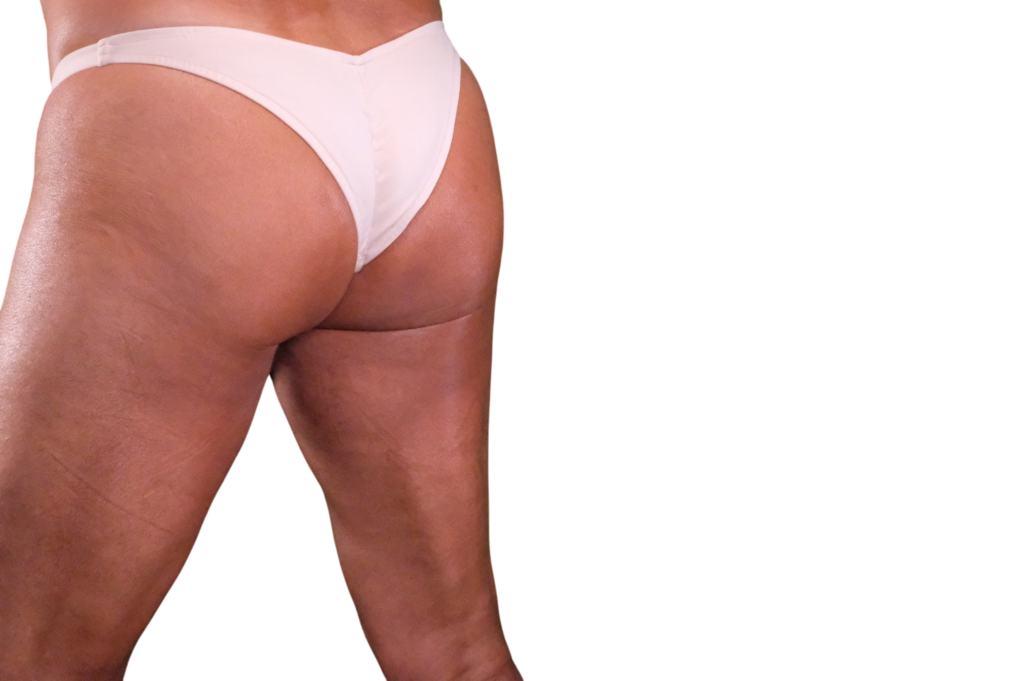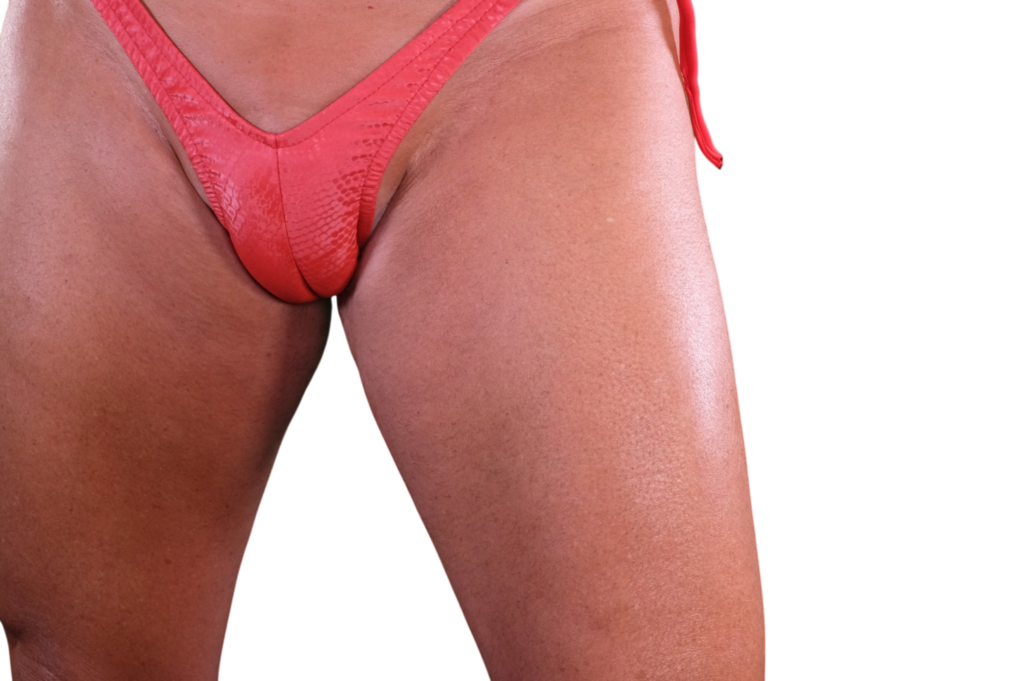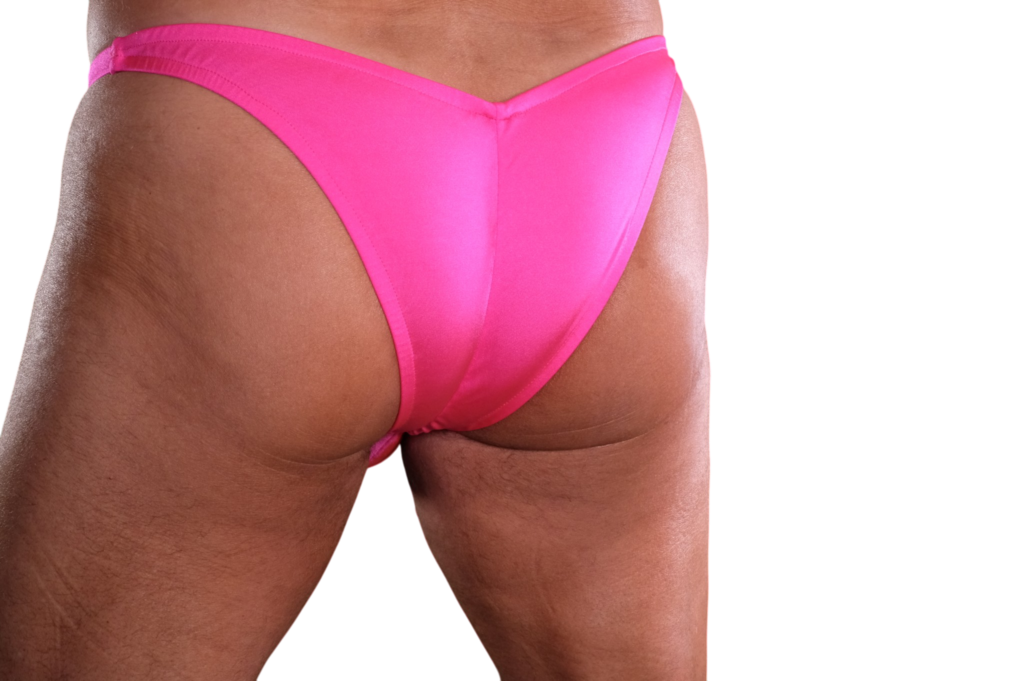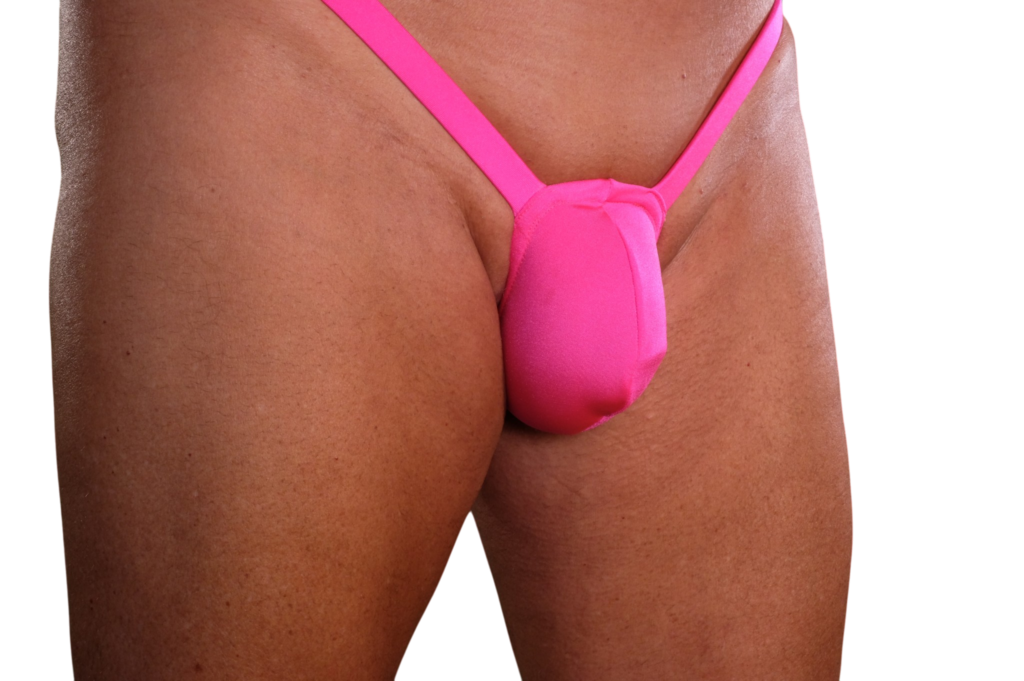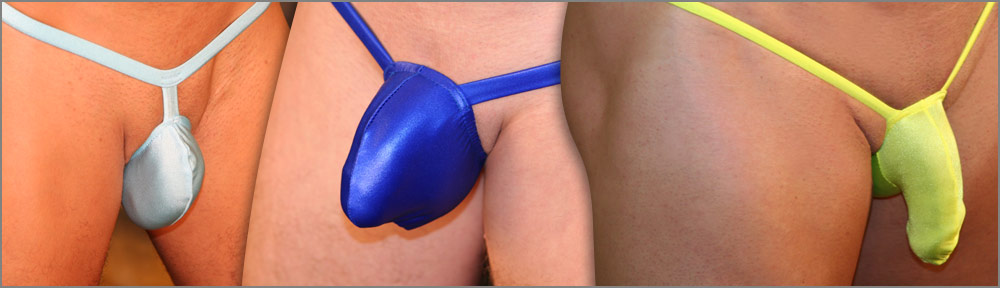
Men’s Swimwear and Penis Size

micro penis men's swimwear
Men’s Swimwear

Men’s Swimwear and Penis Size: Why Smaller Anatomy Can Be an Advantage in Micro Swimwear

Men’s swimwear has undergone a remarkable transformation. For decades, mainstream men’s choices were dominated by trunks, board shorts, racing briefs, and relatively conservative swim briefs. Today the selection is dramatically broader.

Men can choose spandex bikinis, Brazilian briefs, thongs, G-strings, micro bikinis, ultra-micro swimsuits, compression pouches, minimal-bulge designs, and tiny pouch-only-inspired styles.

As men’s swimwear becomes smaller, however, an interesting subject becomes increasingly relevant: penis size.

Spandex follows the body closely. When the amount of fabric covering the front becomes extremely small, the wearer’s anatomy can affect how easily a particular swimsuit fits and how the finished silhouette looks.

And in the world of truly micro swimwear, men with smaller genital anatomy can have a distinct practical advantage.

A smaller relaxed penis generally requires less fabric and less pouch volume. That can make it easier to wear exceptionally small bikinis and thongs while maintaining coverage. It can also make the increasingly popular micro-bulge look easier to achieve.

For years men’s fashion often implied that bigger was always better. Micro swimwear turns that assumption upside down.

Spandex Swimwear Makes Anatomy Part of the Fit

Loose board shorts largely disguise differences in genital anatomy.

Spandex doesn’t.

The entire purpose of stretch swimwear is to conform to the body. The fabric stretches across the hips, buttocks, thighs, and genital area rather than hanging loosely around them.

Consequently, penis and testicular anatomy can influence how a men’s swimsuit fits.

This becomes progressively more noticeable as swimsuits get smaller.

With conventional swim briefs, there is usually plenty of fabric and pouch capacity to accommodate a wide range of bodies. With a tiny string bikini or micro thong, every centimeter of fabric becomes significant.

With an ultra-micro design, there may be very little excess material at all.

That’s where smaller anatomy can become an advantage.

The Smaller the Swimsuit, the More Important the Pouch

A conventional men’s swimsuit might have a generously shaped front that accommodates the genital area without making pouch dimensions particularly noticeable.

Micro swimwear changes that equation.

Imagine progressively reducing a swimsuit:

Swim brief → bikini → string bikini → thong → micro bikini → micro thong → ultra-micro.

The waistband gets thinner.

The sides become narrower.

Rear coverage decreases.

And eventually the front pouch itself becomes one of the principal things determining just how small the swimsuit can become.

There is a practical limit to how little fabric can cover a given volume of anatomy.

A man with less volume to accommodate can therefore often wear a smaller pouch while maintaining the intended coverage.

The Small-Penis Advantage in Micro Swimwear

Most clothing discussions treat larger dimensions as an advantage.

Micro swimwear is one of the unusual fashion categories where smaller anatomy can provide greater flexibility.

A man with a smaller relaxed penis may be able to wear a remarkably tiny front pouch without requiring the fabric to stretch as far forward or sideways.

That can offer several advantages.

The swimsuit can have less overall fabric. The pouch can remain visually tiny. The front profile can stay compact. Extremely narrow designs may be easier to position. And ultra-micro styles can retain their intended proportions rather than becoming dramatically stretched by the anatomy underneath.

This doesn’t mean larger men cannot wear micro swimsuits.

They absolutely can.

It simply means that the same tiny swimsuit can look dramatically different depending upon the person wearing it.

Welcome to the Micro-Bulge Look

Traditional men’s underwear and swimwear frequently emphasize enhancement.

Designers created anatomical pouches, lifting pouches, contour pouches, and other constructions intended to make the genital area appear larger and more prominent.

But contemporary men’s swimwear increasingly includes the opposite aesthetic:

the micro bulge.

Instead of emphasizing size, these designs deliberately create a compact front profile.

A micro-bulge swimsuit may use compression, a shallow pouch, reduced pouch dimensions, strategic seams, or simply very little material.

The result is unmistakably male in some designs while remaining exceptionally small and streamlined.

For men who naturally have smaller anatomy, achieving this appearance may require very little effort.

The swimsuit simply follows the body that is already there.

Small Penis, Tiny Pouch

One of the interesting things about micro swimwear is how closely the dimensions of the garment can correspond to the dimensions of the wearer.

With conventional clothing, manufacturers have considerable room for variation.

With an ultra-micro pouch, there is much less.

If the objective is creating the smallest practical swimsuit, designers have to ask:

How much fabric is actually necessary?

For someone with smaller anatomy, the answer can be: surprisingly little.

That can allow the front of a bikini or thong to become exceptionally narrow and short while still functioning as swimwear.

This is one reason tiny pouches can look particularly proportional on smaller men. Instead of a miniature swimsuit being stretched into a much larger silhouette, the garment retains its deliberately micro appearance.

Different Penis Sizes Create Different Looks

There is no universally correct body for a spandex swimsuit.

Instead, different anatomy produces different aesthetics.

A larger penis in a tiny spandex pouch can create a pronounced bulge and cause the material to stretch substantially.

An average-size penis might create the familiar contoured appearance associated with traditional men’s bikini swimwear.

A smaller penis can produce a compact micro bulge.

A compression or minimizing pouch can reduce the profile further.

None is inherently better.

They are simply different looks.

That distinction matters because men’s swimwear has become diverse enough that showing maximum size is no longer the universal objective.

The Rise of the Minimalist Male Silhouette

Men’s fashion traditionally devoted surprisingly little attention to alternative genital silhouettes.

A swimsuit either concealed everything beneath loose material or provided a conventional male pouch.

That is changing.

Today’s designs can create a prominent anatomical pouch, natural pouch, compression pouch, micro pouch, flat-front appearance, or almost gender-neutral silhouette.

This gives men considerably more control over presentation.

Someone might want a highly masculine bulge one day and a tiny streamlined profile another.

Someone else might exclusively prefer micro-bulge designs.

And some men discover that they actually enjoy having their anatomy visually minimized.

That is a significant reversal of older men’s fashion assumptions.

Why Small-Penis Men Can Shine in Ultra-Micro Designs

Consider an extremely small bikini consisting of narrow sides, minimal rear coverage, and a tiny triangular or contoured front.

On someone with relatively small anatomy, the proportions can remain remarkably balanced.

The pouch stays tiny.

The swimsuit remains visibly micro.

The anatomy does not overwhelm the design.

This becomes even more apparent with micro thongs and G-strings, where almost the entire visual identity of the swimsuit comes from a tiny front connected to extremely narrow straps.

For men who love pushing swimwear toward the absolute minimum, smaller anatomy can therefore open up some fascinating possibilities.

You Don’t Have to Fill the Biggest Pouch

Another cultural shift involves the idea of “filling out” a swimsuit.

Men sometimes look at photographs of highly endowed models and conclude that this is how men’s spandex is supposed to look.

It isn’t.

That is one aesthetic.

A smaller pouch sitting naturally against a smaller penis can look just as intentional as a large anatomical pouch.

In fact, with micro swimwear, the smaller profile may better complement the design.

If the swimsuit is supposed to be tiny everywhere else, having a tiny front can create a particularly consistent minimalist appearance.

Compression Creates Another Option

Natural anatomy isn’t the only factor determining the finished profile.

Pouch construction can substantially change it.

Compression-style swimwear holds the anatomy closer to the body rather than projecting it forward. This can turn an ordinary bikini into a considerably more streamlined design.

For someone who already has a smaller penis, compression can create an especially tiny bulge.

For someone with more volume, compression may allow them to achieve a smaller-looking silhouette than they would get from a conventional anatomical pouch.

Comfort remains important. Compression should mean supportive containment, not painful pressure, numbness, or restricted circulation.

The objective is styling—not injury.

Micro Doesn’t Have to Mean Sheer

It is also useful to distinguish minimal coverage from transparency.

A swimsuit can use an incredibly small amount of fabric while still being opaque.

This distinction becomes particularly important with ultra-micro designs.

Someone may be completely comfortable displaying a very obvious anatomical outline while still wanting the swimsuit itself to provide opaque coverage.

That combination—tiny but opaque—has become an important part of modern micro-swimwear design.

The wearer gets the dramatic minimalist appearance without requiring transparency.

Thongs Are Particularly Well Suited to the Trend

Men’s thongs provide an ideal platform for micro design because the rear has already been reduced to minimal coverage.

Once the back becomes a narrow thong strap, designers naturally begin asking how much the front can be reduced as well.

That has produced everything from conventional thong pouches to extremely narrow micro fronts.

For smaller men, the result can be extraordinarily minimal.

A tiny pouch, narrow hips, and thong rear can create a swimsuit using a fraction of the material found in traditional men’s swimwear.

Yet the design can still function as an actual swimsuit when properly fitted and appropriately constructed.

Micro Bikinis Take the Same Idea Further

Micro bikinis offer another approach.

Instead of eliminating rear coverage almost completely, they reduce every component proportionally.

Tiny front.

Tiny rear.

Tiny sides.

The result can resemble the minimalist proportions historically associated with women’s micro bikinis while being engineered around male anatomy.

For a smaller man, these designs can be especially easy to wear because the front does not require much additional volume.

This is one area where men’s and women’s micro-swimwear aesthetics increasingly overlap.

Penis Size Doesn’t Determine Confidence

There is a broader message behind this fashion trend.

For generations, men have received cultural messages suggesting that larger genital size should automatically produce greater confidence.

Fashion doesn’t have to reinforce that idea.

A man with a small penis can wear a micro bikini confidently.

He can wear a thong confidently.

He can choose a tiny pouch specifically because it complements his anatomy.

He doesn’t have to create the illusion of being larger.

In fact, the minimalist swimsuit trend provides an opportunity to do precisely the opposite:

embrace the small profile.

Small Can Become the Feature

This is perhaps the most interesting development.

Instead of treating a small bulge as something a swimsuit needs to disguise, modern micro designs can make it an intentional part of the overall aesthetic.

Tiny swimsuit.

Tiny pouch.

Tiny bulge.

Minimalist silhouette.

Everything works together.

For the wearer who likes that appearance, smaller anatomy isn’t a limitation that must be overcome. It can actually help produce the exact proportions the swimsuit was designed to create.

Larger Men Still Have Plenty of Choices

None of this means micro swimwear belongs exclusively to smaller men.

Pouch engineering is remarkably adaptable.

Stretch fabrics, anatomical seams, contoured fronts, wider pouch bases, and high-stretch materials can allow men with substantially different anatomy to wear extremely small swimsuits.

The difference is primarily visual.

A tiny pouch on a larger man may become a pronounced anatomical bulge.

The same pouch on a smaller man may remain an extremely compact micro bulge.

Both can work.

The wearer simply needs to decide which appearance and degree of coverage he wants.

Fit Matters More as Coverage Decreases

As swimwear gets smaller, correct fit becomes increasingly important.

With board shorts, being slightly off in size might make relatively little difference.

With a micro thong, a small difference can change the entire fit.

The pouch needs to remain securely positioned during walking, swimming, sitting, and normal movement. Fabric should provide the coverage the wearer expects without requiring painful compression.

This is why the smallest possible swimsuit isn’t automatically the best one.

The goal is finding the smallest swimsuit that works properly for your anatomy and intended setting.

Public Confidence Is Part of Wearing Micro Swimwear

For many men, anatomy isn’t actually the biggest challenge.

Confidence is.

Walking onto a beach wearing a swimsuit dramatically smaller than anything you have previously worn can make you intensely aware of your body.

That feeling usually isn’t limited to penis size.

You notice your legs.

Your butt.

Your stomach.

Your tan lines.

And, naturally, your swimsuit’s front profile.

Experience can change that perception dramatically.

After enough time wearing small spandex swimwear, many men stop thinking constantly about whether someone can see their anatomical outline.

It becomes simply how the swimsuit fits.

Men’s Swimwear No Longer Has One Ideal Body

Perhaps the greatest development in modern men’s swimwear is the disappearance of a single definition of what a male swimsuit is supposed to accomplish.

Some men want coverage.

Some want enhancement.

Some want compression.

Some want a natural anatomical outline.

Some want practically no bulge.

Some want the smallest bikini imaginable.

And some want an ultra-micro thong with a pouch barely larger than necessary.

That diversity makes room for bodies of every size.

Small Penis, Big Swimwear Advantage

In ordinary life, penis size has little relevance to clothing because most garments provide substantial room.

Micro swimwear changes the geometry.

When designers begin reducing a men’s swimsuit to the smallest practical dimensions, the amount of anatomy underneath the fabric inevitably becomes part of the equation.

And that gives men with smaller penises an unusual advantage.

Less anatomy can require less pouch. Less pouch means less fabric. Less fabric allows an even more extreme micro swimsuit.

For the man who loves ultra-minimal spandex swimwear, that can be exactly what he wants.

The important point isn’t that one penis size is better than another.

It is that the enormous variety of modern men’s swimwear finally allows different bodies to become advantages for different styles.

Large anatomy can create a dramatic anatomical-pouch appearance.

Average anatomy can produce the classic bikini profile.

And smaller anatomy can be ideally suited to the rapidly expanding world of micro bikinis, micro thongs, compression fronts, tiny pouches, and micro-bulge swimwear.

For men who once thought being smaller meant having fewer choices, the newest generation of men’s micro swimwear offers a very different message:

When the swimsuit keeps getting smaller, being smaller can actually give you more options.

Men’s Swimwear Guide

The Ultimate Men’s Swimwear Guide (2026)

Everything You Need to Know About Men’s Bikinis, Speedos, Thongs, G-Strings, Tiny Spandex Shorts, Swim Briefs, and Modern Beach Fashion

Meta Description: Discover the complete men’s swimwear guide covering Speedos, swim briefs, bikinis, thongs, G-strings, tiny spandex shorts, micro swimwear, performance fabrics, fit, sizing, and the latest beach fashion trends for men.


The Complete Men’s Swimwear Guide

Men’s swimwear has changed dramatically over the past two decades. Once dominated by oversized board shorts, today’s market offers an enormous variety of styles designed for every body type, activity level, and personal taste. Whether your goal is athletic performance, maximum comfort, freedom of movement, or simply expressing your own sense of style, there has never been a better time to explore modern men’s swimwear.

From classic swim briefs to sleek bikinis, bold thongs, minimalist G-strings, tiny spandex shorts, and contemporary micro designs, today’s options reflect a broader shift toward comfort, confidence, and individuality.

This comprehensive guide covers everything you need to know about men’s swimwear, including the most popular styles, how to choose the right fit, the benefits of different fabrics, and practical tips for building a swimwear collection that matches your lifestyle.


Why Men’s Swimwear Has Changed

For many years, long board shorts dominated beaches in North America. While they remain popular for surfing and casual beachwear, many men have discovered that shorter, more streamlined designs provide significant advantages.

Reasons many people choose fitted swimwear include:

  • Greater freedom of movement
  • Less fabric dragging in the water
  • Faster drying
  • Better tanning
  • Athletic styling
  • Increased comfort during swimming
  • Modern fashion trends
  • Wider style choices

International travel has also influenced swimwear preferences. In many parts of Europe, South America, Australia, and Brazil, fitted swimwear has long been common for men.


Understanding the Different Types of Men’s Swimwear

Swim Briefs

Often associated with competitive swimming, swim briefs remain one of the most recognizable styles available.

Common features include:

  • Streamlined fit
  • Excellent mobility
  • Minimal water resistance
  • Secure support
  • Timeless appearance

Swim briefs are ideal for:

  • Lap swimming
  • Fitness training
  • Beach vacations
  • Resort pools
  • Active water sports

Speedo-Style Swimwear

The word “Speedo” is often used generically to describe athletic swim briefs, although it is also the name of a well-known swimwear brand.

Many swimmers choose this style because it offers:

  • Maximum efficiency
  • Comfortable support
  • Professional appearance
  • Reduced drag
  • Exceptional freedom of movement

These designs continue to be popular among competitive athletes as well as recreational swimmers.


Men’s Bikini Swimwear

Men’s bikinis have become one of the fastest-growing swimwear categories.

Unlike traditional briefs, bikini cuts generally feature:

  • Narrower sides
  • Lower waistlines
  • More contemporary styling
  • Greater freedom of movement
  • Reduced fabric coverage

Many men appreciate bikini swimwear because it feels lightweight while maintaining everyday practicality.


Low-Rise Bikini Styles

Low-rise bikinis sit below the natural waist.

Benefits include:

  • Modern silhouette
  • Comfortable fit
  • Minimal tan lines
  • Youthful styling
  • Easy movement

High-Cut Bikini Designs

High-cut bikinis feature higher leg openings that visually lengthen the legs while allowing unrestricted movement.

These designs are especially popular among active swimmers and beachgoers who prefer a sport-inspired look.


Brazilian-Inspired Men’s Swimwear

Brazil has influenced men’s swimwear fashion worldwide.

Brazilian-inspired cuts often include:

  • Narrow side panels
  • Sculpted rear coverage
  • Soft stretch fabrics
  • Vibrant colors
  • Fashion-forward styling

These swimsuits balance minimal coverage with practical comfort.


Men’s Thong Swimwear

Thong swimsuits continue to grow in popularity among men seeking minimal tan lines and maximum freedom of movement.

A typical men’s thong includes:

  • Full front support
  • Narrow rear strap
  • Secure waistband
  • Lightweight construction

Many wearers choose thongs because they:

  • Dry quickly
  • Feel lightweight
  • Reduce fabric bunching
  • Offer unrestricted movement

G-String Swimwear

G-strings represent one of the most minimalist swimwear options available.

Compared with thongs, G-strings typically feature an even narrower rear strap while maintaining front coverage.

People who choose G-strings often appreciate:

  • Nearly invisible tan lines
  • Lightweight comfort
  • Minimal fabric
  • Contemporary styling

Because these designs provide less coverage, it’s worth checking local beach or pool dress codes before wearing them.


Tiny Spandex Swim Shorts

Tiny spandex shorts combine the comfort of compression shorts with the appearance of classic retro swim trunks.

Characteristics include:

  • Short inseams
  • Stretch fabrics
  • Athletic fit
  • Excellent support
  • Versatile styling

These designs are suitable for swimming, beach volleyball, paddle sports, and lounging by the pool.


Square-Cut Swim Shorts

Square-cut swimsuits bridge the gap between briefs and traditional trunks.

Advantages include:

  • More coverage than briefs
  • Athletic appearance
  • Comfortable compression
  • Great versatility

Many men who are transitioning away from longer board shorts find square cuts to be a comfortable intermediate option.


Performance Fabrics

Modern men’s swimwear relies on advanced materials engineered for both performance and durability.

Popular fabric blends include:

  • Nylon and spandex
  • Polyester and elastane
  • Chlorine-resistant polyester
  • Premium Lycra® blends

These fabrics provide:

  • Four-way stretch
  • Quick drying
  • Shape retention
  • Color durability
  • Comfortable support

Choosing the Right Fit

The best swimsuit is one that fits comfortably and stays secure during activity.

When shopping, consider:

  • Waist measurement
  • Hip measurement
  • Leg opening
  • Fabric stretch
  • Activity level
  • Personal style

Avoid sizing down solely for a tighter fit, as excessive compression can reduce comfort.


Choosing Swimwear for Different Activities

Lap Swimming

Ideal styles include:

  • Swim briefs
  • Performance briefs
  • Square-cut suits

These designs reduce drag and stay secure during repetitive movement.

Beach Vacations

Popular options include:

  • Bikinis
  • Tiny swim shorts
  • Briefs
  • Resort-style trunks

Comfort, quick drying, and ease of movement are key.

Resort Pools

Many travelers prefer fashionable fitted swimwear that transitions easily between the pool and lounging.

Water Sports

Activities such as paddleboarding, kayaking, snorkeling, and beach volleyball benefit from supportive, streamlined swimwear that stays in place.


Finding Your Personal Style

There is no single “best” swimsuit. The right choice depends on what makes you feel comfortable and confident.

Some men prefer:

  • Classic athletic briefs
  • Contemporary bikinis
  • Retro square cuts
  • Tiny shorts
  • Minimalist thongs
  • G-strings where appropriate

Exploring different styles can help you discover what suits your body type and preferences.


Color Trends

Popular colors include:

  • Navy
  • Black
  • White
  • Red
  • Royal blue
  • Emerald green
  • Bright orange
  • Turquoise

Many collections also feature tropical prints, geometric patterns, color blocking, and subtle textures.


Fabric Care

Proper care extends the life of your swimwear.

After each use:

  • Rinse in cool water.
  • Wash gently with mild detergent.
  • Avoid bleach.
  • Do not wring the fabric.
  • Air dry away from direct heat.

These simple steps help preserve elasticity and color.


Building a Swimwear Collection

Rather than relying on a single swimsuit, many people build a collection for different occasions.

A versatile wardrobe might include:

  • One athletic swim brief
  • One comfortable bikini
  • One square-cut short
  • One tiny spandex short
  • One resort-focused swimsuit
  • One travel-friendly quick-dry option

This approach provides flexibility for vacations, workouts, and leisure.


Frequently Asked Questions

Are swim briefs only for competitive swimmers?

No. While popular in competitive swimming, swim briefs are also widely worn for recreation, travel, and fitness.

What’s the difference between a swim brief and a bikini?

Bikinis generally feature narrower side panels and a lower-rise cut, while briefs usually provide slightly more coverage.

Are thong swimsuits suitable for swimming?

Yes. Many thong swimsuits are designed specifically for swimming and other water activities, though local dress codes should always be respected.

What are tiny spandex swim shorts?

These are short, fitted swim shorts made from stretch performance fabrics. They combine athletic function with a modern silhouette.

Which fabrics last the longest?

High-quality polyester blends tend to offer excellent chlorine resistance, while nylon-spandex blends provide exceptional softness and stretch.

How should a swimsuit fit?

A swimsuit should feel secure without restricting movement. It should remain comfortably in place while walking, swimming, and sitting.


Men’s Swimwear Trends for 2026

Current trends emphasize versatility, technical fabrics, and a broader range of silhouettes. Alongside enduring favorites such as swim briefs and square cuts, many brands now offer modern bikinis, compact shorts, and minimalist styles for consumers who prefer a streamlined fit.

Sustainability is also shaping the market, with recycled fibers, durable construction, and longer-lasting fabrics becoming increasingly common. Consumers are also looking for swimwear that transitions easily from the beach to resort settings with lightweight cover-ups and coordinated accessories.


Final Thoughts

Men’s swimwear has never offered more variety. From classic athletic briefs and Speedo-style designs to bikinis, tiny spandex shorts, thongs, G-strings, and square-cut suits, there are options for nearly every preference, activity, and destination.

The best swimsuit is ultimately the one that fits well, supports your intended activities, and helps you feel comfortable and confident. By understanding the differences between styles, selecting quality fabrics, and choosing the right fit, you can build a swimwear collection that serves you well whether you’re training in the pool, relaxing on vacation, or spending a day at the beach.

As swimwear fashion continues to evolve, today’s men have more freedom than ever to select styles that reflect both their practical needs and their personal sense of style.

Men’s Swimwear Blog Femboys

Reading Men’s Swimwear Blogs and How They Apply to Femboys Interested in MTF Swimwear Styles

Introduction

The world of men’s swimwear has changed dramatically over the past decade. What was once dominated by board shorts and athletic trunks has expanded into a diverse marketplace that includes bikinis, briefs, thongs, micro swimwear, gender-neutral designs, and specialized MTF swimwear created for transfeminine individuals.

For femboys interested in developing a more feminine beach or poolside presentation, men’s swimwear blogs can be an excellent source of information. These blogs often discuss new trends, emerging styles, fit advice, body confidence, and swimwear technologies that may not be covered by mainstream fashion publications.

Many femboys discover that reading swimwear blogs helps them better understand the growing number of options available and how different designs can support a more feminine appearance.

Why Men’s Swimwear Blogs Matter

Most mainstream fashion magazines focus on either traditional men’s swimwear or conventional women’s swimwear. This leaves a gap for people who fall somewhere in between.

Femboys often seek styles that:

  • Feel feminine
  • Provide comfort
  • Work with their anatomy
  • Create a softer appearance
  • Reflect their personal style

Specialized swimwear blogs frequently cover these topics in far greater detail than traditional fashion websites.

They may discuss:

  • New bikini designs
  • Gender-neutral swimwear
  • Transfeminine fashion
  • Tucking swimwear
  • MTF swimwear innovations
  • Body confidence
  • Public beach experiences
  • Styling tips

For someone exploring feminine swimwear, these articles can provide valuable guidance.

Learning About Different Swimwear Cuts

One of the most useful aspects of men’s swimwear blogs is education about swimwear cuts.

Common categories include:

Swim Briefs

Swim briefs are often the first step for individuals transitioning away from traditional board shorts.

Benefits include:

  • Streamlined appearance
  • Minimal bulk
  • Athletic styling
  • Easy movement

Many femboys start with swim briefs before exploring more feminine styles.

Bikini Swimwear

Bikini designs are among the most popular topics discussed on swimwear blogs.

These styles often feature:

  • Narrow side panels
  • Lower-rise waists
  • Feminine silhouettes
  • More body exposure

For many femboys, bikinis represent a balance between masculine and feminine swimwear.

Brazilian Cuts

Brazilian styles provide:

  • Reduced rear coverage
  • Fashion-forward appearance
  • Enhanced body contours

Many blogs discuss how these designs have become increasingly popular among both men and transfeminine wearers.

Thongs and G-Strings

While not for everyone, thong swimwear is frequently covered in swimwear communities.

Articles often discuss:

  • Confidence building
  • Beach etiquette
  • Regional acceptance
  • Styling options

These discussions can help readers understand whether such designs fit their personal goals.

Discovering MTF Swimwear

One of the most important reasons femboys read swimwear blogs is to learn about MTF swimwear.

Many people initially assume that feminine swimwear means simply purchasing women’s bikinis.

However, MTF-specific designs often provide advantages such as:

  • Better front support
  • Improved coverage
  • Enhanced comfort
  • Smoother silhouettes
  • Greater confidence

Blogs frequently review and compare these specialized products.

For femboys seeking a feminine appearance without discomfort, this information can be extremely valuable.

Understanding Tucking Swimwear

Tucking swimwear is another frequently discussed topic.

Articles often explain:

  • What tucking swimwear is
  • How it differs from standard bikinis
  • Compression options
  • Comfort considerations
  • Activity suitability

Even femboys who do not identify as transgender may find these designs appealing because they can create a smoother and more feminine appearance.

Learning About No-Tuck Alternatives

Not every femboy wants to tuck.

Modern swimwear blogs increasingly discuss no-tuck alternatives that focus on comfort while still creating a feminine presentation.

These designs may use:

  • Strategic shaping
  • Supportive fabrics
  • Wider front panels
  • Feminine cuts

This information helps readers find styles that align with their personal comfort level.

Body Confidence and Self-Expression

One of the most valuable aspects of swimwear blogs is the emphasis on confidence.

Many articles focus on:

  • Overcoming fear of public swimming
  • Wearing smaller swimwear confidently
  • Dealing with social anxiety
  • Finding accepting environments
  • Building positive body image

For femboys exploring feminine swimwear for the first time, these discussions can be just as important as the garments themselves.

Keeping Up With New Trends

Swimwear blogs often provide early coverage of emerging trends.

Popular topics include:

  • High-cut bikini designs
  • Retro-inspired swimwear
  • Gender-neutral swimwear
  • Feminine men’s swimwear
  • Compression swimwear
  • MTF swimwear innovations
  • Sustainable swim fabrics

Following these trends helps readers discover new styles before they become widely available.

Real-World Experiences

Many swimwear blogs feature personal stories and reviews.

These articles may discuss:

  • First experiences wearing a bikini
  • Beach vacations
  • Pool parties
  • Resort travel
  • Public confidence

For femboys considering feminine swimwear, these real-world experiences often provide practical insights that product descriptions cannot.

Building a Feminine Swimwear Wardrobe

Through regular reading, many femboys learn how to gradually build a swimwear collection.

A typical progression might include:

  1. Swim briefs
  2. Fashion swim briefs
  3. Bikini styles
  4. High-cut bikinis
  5. Gender-neutral designs
  6. MTF-specific swimwear
  7. Specialized tucking or shaping swimwear

This gradual approach allows individuals to explore their preferences while building confidence.

Finding Community

Perhaps the greatest benefit of reading men’s swimwear blogs is discovering that others share similar interests.

Many readers realize that:

  • They are not alone.
  • Feminine swimwear is becoming increasingly accepted.
  • Many people enjoy gender-fluid fashion.
  • There are growing communities focused on self-expression and confidence.

For femboys exploring MTF-inspired swimwear styles, this sense of community can be incredibly encouraging.

Final Thoughts

Men’s swimwear blogs have become an important educational resource for femboys interested in feminine and MTF-inspired swimwear. They provide information that is often missing from mainstream fashion media, including discussions about fit, comfort, confidence, tucking, no-tuck solutions, and the rapidly expanding world of gender-inclusive swimwear.

Whether someone is simply curious about bikini styles or actively seeking swimwear that supports a more feminine appearance, these blogs can offer valuable insights, practical advice, and a welcoming introduction to a growing and increasingly diverse swimwear community.

Bikini Swimwear for Men

Bikini swimwear for men
Bikini swimsuit for men

Why Bikini Swimwear for Men Has Gone So Mainstream

For decades, men’s swimwear was dominated by one style: loose-fitting board shorts. Walk onto almost any beach in North America during the 1990s and early 2000s, and the overwhelming majority of men were covered from the waist to the knees in oversized shorts. Today, however, the swimwear landscape looks dramatically different. Men’s bikini swimwear has become increasingly mainstream, appearing at beaches, resort pools, cruises, fitness clubs, and vacation destinations around the world.

What was once considered a niche style is now embraced by men of all ages, body types, and lifestyles. The growing popularity of bikini swimwear for men is not the result of a single trend, but rather a combination of changing fashion preferences, increased body confidence, international influences, and evolving attitudes toward masculinity.

The Return of the Swim Brief

Many people forget that men’s bikini-style swimwear is not actually new.

Throughout the 1960s, 1970s, and 1980s, swim briefs were among the most popular men’s swimwear styles worldwide. Competitive swimmers, beachgoers, and vacationers regularly wore streamlined swim briefs because they were practical, comfortable, and designed specifically for swimming.

The dominance of oversized board shorts was actually a relatively recent trend. As men’s fashion cycles continue to evolve, many men are rediscovering the advantages of more fitted swimwear.

Today’s bikini swimsuits often combine the comfort of traditional swim briefs with modern fabrics, colors, cuts, and styling options.

Comfort Is King

One of the biggest reasons men switch to bikini swimwear is simple: comfort.

Unlike baggy swim trunks that can become heavy and waterlogged, bikini swimwear stays close to the body. The reduced fabric allows for:

  • Greater freedom of movement
  • Faster drying times
  • Less chafing
  • Better comfort while swimming
  • Improved comfort during tanning

Many men who initially hesitate to try a bikini swimsuit are surprised by how natural it feels once they spend a day at the beach or pool.

The streamlined design often feels more like athletic wear than traditional swimwear, making it especially appealing to active swimmers and beach enthusiasts.

International Travel Has Changed Perceptions

Travel has played a major role in making men’s bikini swimwear more accepted.

In many parts of Europe, South America, Australia, and Asia, fitted swimwear has long been considered completely normal. Travelers visiting destinations in Spain, Italy, France, Brazil, Greece, or Thailand frequently encounter beaches where swim briefs and bikinis are common.

After experiencing these international beach cultures, many men return home with a new perspective. They realize that fitted swimwear is not unusual at all—it’s simply another style option.

Global tourism has helped expose people to a wider range of swimwear choices, gradually changing attitudes worldwide.

Fitness Culture and Body Confidence

Modern fitness culture has also contributed to the popularity of men’s bikini swimwear.

More men today participate in:

  • Weight training
  • Running
  • CrossFit
  • Swimming
  • Cycling
  • General fitness programs

As men become more physically active, many prefer swimwear that showcases the results of their hard work.

Just as fitted athletic clothing has become common in gyms, bikini swimwear allows men to feel confident and comfortable displaying their physique at the beach or pool.

The emphasis is often not about showing off, but simply about wearing clothing that fits properly rather than hiding under excess fabric.

Social Media Has Made Smaller Swimwear Visible

Social media has dramatically increased exposure to diverse swimwear styles.

Platforms such as Instagram, TikTok, YouTube, and travel blogs regularly feature:

  • Beach vacations
  • Pool parties
  • Resort lifestyles
  • Fitness influencers
  • Swimwear fashion

Men now see countless examples of other men confidently wearing bikini swimwear around the world.

This visibility has helped normalize styles that many people previously believed were unusual or uncommon.

When consumers repeatedly see fitted swimwear worn confidently by athletes, travelers, influencers, and everyday beachgoers, it becomes easier to view these styles as normal fashion choices.

Better Designs Than Ever Before

Modern swimwear manufacturers have transformed men’s bikini swimwear.

Today’s designs offer:

  • Improved support
  • Softer fabrics
  • Better stretch materials
  • Enhanced durability
  • More comfortable waistbands
  • Wider size ranges

Men can now choose from countless variations, including:

  • Traditional swim briefs
  • Brazilian-cut bikinis
  • String bikinis
  • Sport bikinis
  • Low-rise bikinis
  • High-cut designs
  • Tanning bikinis
  • Fashion-forward resort styles

The variety means there is now a bikini style suited for almost every comfort level.

Changing Definitions of Masculinity

Another important factor is the changing perception of masculinity.

Modern men face far fewer restrictions regarding what they can wear than previous generations.

Today, many men choose clothing based on:

  • Comfort
  • Functionality
  • Personal style
  • Self-expression

Rather than worrying about outdated stereotypes, many consumers simply wear what they enjoy.

As attitudes continue to evolve, bikini swimwear is increasingly viewed as just another swimwear option rather than a statement about identity or lifestyle.

The Tanning Advantage

A practical reason often overlooked is tanning.

Many beachgoers prefer bikini swimwear because it minimizes tan lines.

Less fabric means:

  • More even sun exposure
  • Smaller tan lines
  • Better tanning results

For people who enjoy spending time at the beach, this can be a significant advantage over larger swim trunks.

Resort and Cruise Culture

Luxury resorts, tropical destinations, and cruise vacations have also encouraged the popularity of bikini swimwear.

These environments tend to emphasize relaxation, confidence, and personal style. Men often feel more comfortable experimenting with different swimwear options while on vacation.

After discovering how comfortable and practical bikini swimwear can be, many continue wearing it long after the trip is over.

The Future of Men’s Swimwear

The trend toward bikini swimwear appears likely to continue.

Consumers increasingly value comfort, freedom of movement, and personal choice. As fashion becomes more diverse and inclusive, men are exploring a wider range of swimwear styles than ever before.

While board shorts will always have their place, bikini swimwear has firmly established itself as a mainstream option. What was once considered unconventional has become a normal sight at beaches and pools throughout much of the world.

The modern man no longer chooses swimwear based solely on tradition. He chooses it based on comfort, confidence, functionality, and personal preference—and for millions of men, that choice increasingly includes bikini swimwear.

Men’s Swimwear Blog Latest Trends

Men’s Swimwear Blog: Latest Trends Defining the New Era of Men’s Swim Fashion

Men’s swimwear has entered one of its most dynamic style evolutions in decades. What was once dominated by basic board shorts and conservative trunks has transformed into a diverse, fashion-forward category where fit, fabric, confidence, and personal identity all play major roles. Today’s men’s swimwear scene is no longer about simply wearing something practical to the beach—it is about making a statement.

From shorter inseams and tailored silhouettes to bold bikini briefs, micro cuts, luxury resort aesthetics, and performance fabrics, the latest trends in men’s swimwear reflect broader shifts in fashion, body confidence, and changing cultural attitudes.

Whether you are a first-time swimwear upgrader or a style veteran looking for the next wave, here is a detailed look at the hottest trends shaping men’s swimwear right now.

The Big Shift: Men’s Swimwear Is Getting Smaller, Sharper, and More Stylish

Perhaps the most obvious trend is that men’s swimwear is becoming more body-conscious. Across beaches, pools, resorts, and social media, men are increasingly moving away from oversized, knee-length trunks and embracing cuts that show more leg, define the body, and prioritize fit.

Key reasons:

  • Better body proportions
  • Modern tailoring
  • Greater comfort
  • Improved tanning
  • Fashion influence from Europe, Brazil, and luxury resort culture

The message is clear: fit matters more than excess fabric.

Trend #1: Shorter Swim Trunks Are Dominating

Mid-thigh and above-the-knee cuts are now mainstream. The ultra-long board short look, while still present, is no longer the defining silhouette.

Popular lengths:

  • 7-inch inseam
  • 5-inch inseam
  • 3-inch retro athletic cuts

Why they’re trending:

  • Legs appear longer
  • More athletic look
  • Vintage-inspired style
  • Easier transition from beach to casual wear

Shorter trunks have become the gateway for many men exploring more fashion-forward swimwear.

Trend #2: Swim Briefs Are Back

Classic swim briefs—often associated with European beaches, athletic swimmers, and old-school icons—are seeing renewed popularity.

Modern updates include:

  • Sleeker waistbands
  • Improved pouch engineering
  • Luxury fabrics
  • Bold solids and prints
  • More masculine and athletic branding

For many men, briefs offer:

  • Less drag
  • Cleaner tan lines
  • Body-enhancing fit
  • Greater confidence once worn

This resurgence signals a broader comfort with body visibility.

Trend #3: Men’s Bikini Swimwear Is Expanding

Bikini swimwear for men has moved well beyond niche spaces. Designers are now creating a wide range of bikini cuts from sporty to daring.

Current bikini trends:

  • Low-rise waists
  • High-cut legs
  • String side bikinis
  • Brazilian backs
  • Sculpted front pouches

This trend often appeals to men looking for:

  • Maximum style
  • Minimal tan lines
  • Resort wear aesthetics
  • More expressive swim fashion

Trend #4: Micro and Ultra-Micro Swimwear

For trendsetters and bold dressers, micro swimwear continues pushing boundaries.

Includes:

  • Micro briefs
  • Thongs
  • G-strings
  • Ultra-minimal pouches
  • Extreme tanning suits

These styles are increasingly visible in:

  • Fashion shoots
  • Adult resort destinations
  • LGBTQ+ spaces
  • Private pools
  • Certain international beaches

While not mainstream everywhere, they represent the cutting edge of swimwear experimentation.

Trend #5: Performance Fabrics Meet Luxury

Modern swimwear is not just smaller—it is technologically better.

Top fabric innovations:

  • Four-way stretch Lycra
  • Recycled ocean plastics
  • Compression shaping
  • Chlorine resistance
  • UV protection
  • Quick-dry engineering

Today’s consumer increasingly wants style plus functionality. Sustainability is also becoming a stronger selling point.

Trend #6: Bold Colors and Statement Prints

Neutral black and navy remain classics, but recent trends lean heavily into visual impact.

Trending styles:

  • Neon shades
  • Tropical florals
  • Retro stripes
  • Metallic finishes
  • Animal prints
  • Geometric patterns

The rise of statement swimwear reflects men’s growing willingness to treat swimwear like fashion rather than utility.

Trend #7: Gender-Fluid and Boundary-Pushing Designs

One of the most fascinating developments is the expansion of swimwear that challenges traditional gender lines.

Emerging categories:

  • High-cut silhouettes
  • Sheer panels
  • Feminized cuts
  • MTF-inspired smoothing designs
  • Androgynous aesthetics

These designs are not necessarily about identity labels—they often simply reflect fashion experimentation and broader style freedom.

Trend #8: Pouch Innovation

The front pouch has become a major design feature in men’s swimwear.

Common pouch trends:

Supportive Athletic Pouch

For sports and active wear.

Enhancing Pouch

For visual contour and shaping.

Anatomical Pouch

For natural fit.

Micro Pouch

For extreme minimalism.

Compression/Smoothing Pouch

For flatter profiles or specialized styling.

This level of design detail reflects how nuanced men’s swimwear has become.

Trend #9: Swimwear as Lifestyle Wear

Many modern designs are created to transition beyond the beach.

Hybrid uses:

  • Beach clubs
  • Pool parties
  • Cruise vacations
  • Festival wear
  • Resort lounging

This crossover means swimwear is increasingly part of broader summer wardrobe strategy.

Trend #10: Confidence Culture

Perhaps the biggest trend is psychological: men are increasingly choosing swimwear based on self-expression rather than fear of judgment.

More men are asking:

  • What fits my body best?
  • What makes me feel confident?
  • What aligns with my personal style?

This shift is moving men’s swimwear from socially cautious to intentionally expressive.

Grooming and Body Presentation Trends

As swimwear becomes more revealing, grooming trends are also evolving.

Popular approaches:

  • Body hair trimming
  • Full grooming
  • Fitness-focused silhouettes
  • Skin care
  • Tanning awareness

Again, these are optional—but increasingly part of the broader style conversation.

Global Influence on Men’s Swimwear

Men’s swimwear trends are heavily shaped by international markets.

Leading style influence:

  • Brazil
  • Spain
  • Italy
  • Australia
  • Mykonos
  • Ibiza

These regions often normalize smaller, bolder styles faster than the U.S., though American markets are rapidly catching up.

Final Thoughts: The Future of Men’s Swimwear

The latest trends in men’s swimwear reveal a category that is evolving rapidly toward diversity, body confidence, and fashion sophistication. From tailored trunks to bikini briefs, from micro silhouettes to luxury performance fabrics, men now have more choices than ever before.

The old rules—that men’s swimwear had to be oversized, muted, or purely practical—are fading.

Today’s trends are about:

  • Better fit
  • Greater freedom
  • More daring cuts
  • Expanded identity
  • Personal confidence

Men’s swimwear is no longer just about swimming. It is about style, visibility, and how men choose to present themselves in some of life’s most public, body-conscious spaces.

In short: men’s swimwear is becoming fashion—and that transformation is only accelerating.

Men’s Swimwear Styles

The Rise of Sexy Micro Men’s Swimwear Styles

Over the past decade, men’s swimwear has undergone a dramatic transformation. Traditional long board shorts and loose trunks are no longer the only option at the beach or pool. Today, many men are embracing micro swimwear styles—bold, minimalist designs that highlight the body while using dramatically less fabric.

These sexy new swimwear styles are inspired by European beach culture, modern fashion trends, and the growing movement toward body confidence and self-expression. From micro briefs to ultra-minimal thongs and nano bikinis, these designs are redefining what men’s swimwear can look like.

For many men, wearing micro swimwear is not just about looking sexy—it’s about freedom, individuality, and confidence.


What Is Micro Men’s Swimwear?

Micro men’s swimwear refers to swimsuits designed with extremely minimal coverage. These styles use small amounts of high-stretch fabrics such as spandex, nylon, or Lycra so the suit can maintain a secure fit even with very little material.

Unlike traditional swimwear, which often prioritizes coverage and modesty, micro swimwear focuses on:

  • Body-hugging fits
  • Minimal fabric
  • Sculpted pouches
  • Low-rise waistlines
  • High-cut leg openings

The result is a swimsuit that accentuates the natural lines of the male body while providing maximum comfort and freedom of movement.


Popular Micro Swimwear Styles

Micro Swim Briefs

Micro swim briefs are the smallest evolution of the classic men’s swim brief. They maintain the familiar shape but dramatically reduce the amount of fabric.

These suits typically feature:

  • Ultra-low waistlines
  • Narrow side panels
  • High-cut legs
  • A contoured front pouch

The micro brief is often the entry point into micro swimwear because it still looks sporty and functional while offering a much sexier silhouette than traditional swimwear.

These suits are popular among men who enjoy athletic styling while showing off their physique.


Men’s String Bikini Swimwear

The string bikini is one of the most daring styles available for men. Inspired by women’s bikini designs, these swimsuits use thin strings instead of wide side panels.

Typical features include:

  • Triangle-style front pouch
  • Thin string sides
  • Extremely low coverage
  • Lightweight design

String bikinis create a sleek and minimal look while still providing support. Many men enjoy this style because it feels incredibly light and allows the body to move freely.

This design is particularly popular on European and South American beaches, where smaller swimwear has been common for decades.


Micro Thong Swimwear

For men who want even less coverage, micro thong swimwear offers the ultimate minimalist design.

Key features include:

  • Small front pouch
  • Thin waistband
  • T-back or string back
  • Minimal rear coverage

Thong swimsuits highlight the glutes and hips while creating an extremely daring aesthetic.

Many men choose thong swimwear because it eliminates most tan lines and creates a bold, confident look that stands out on the beach.


Ultra-Micro and Nano Swimwear

At the extreme end of the spectrum are ultra-micro and nano swimwear designs. These suits push minimalism to the limit.

Ultra-micro designs may include:

  • Very small front pouches
  • Extremely thin waistbands
  • Minimal string construction
  • Unique pouch shapes
  • Sheer or lightweight fabrics

Some designs are so small they barely cover the essentials, creating a playful and provocative look that celebrates confidence and body positivity.

These suits are often worn at fashion-forward beaches, private resorts, and lifestyle events where bold swimwear is celebrated.


Fabric and Design Innovations

Micro swimwear has also benefited from advancements in fabric technology.

Modern designs often use:

High-stretch spandex blends
These fabrics allow extremely small swimsuits to remain comfortable and secure.

Quick-dry materials
Modern fabrics dry quickly, making micro suits practical for swimming as well as sunbathing.

Four-way stretch construction
This allows the swimsuit to move naturally with the body.

Pouch engineering
Many designers now create sculpted pouches that enhance comfort and appearance while maintaining the minimal design.

These innovations allow designers to make incredibly small swimsuits that still function well in the water.


Why Men Are Choosing Smaller Swimwear

Several trends have contributed to the growing popularity of micro swimwear.

Body Confidence

More men are embracing fitness and taking pride in their physiques. Micro swimwear allows them to show off the results of their hard work.

Freedom of Movement

With less fabric, micro swimsuits often feel lighter and more comfortable than traditional swimwear.

Minimal Tan Lines

Many men who enjoy sunbathing prefer smaller swimsuits because they reduce tan lines.

Fashion Evolution

Men’s fashion in general has been moving toward slimmer and shorter styles. Shorter shorts, fitted clothing, and minimalist designs have all become more popular.

Self-Expression

For some men, micro swimwear is about expressing individuality and challenging traditional fashion norms.


The Psychology of Sexy Swimwear

Wearing bold swimwear can also have a psychological impact.

For many men, putting on a micro swimsuit creates a feeling of confidence and empowerment. It can feel daring, playful, and exciting to wear something that stands out.

These suits also allow men to explore a different side of their personality—one that is confident, expressive, and comfortable with attention.


Where Micro Swimwear Is Most Popular

While the trend is spreading worldwide, micro swimwear is especially common in places where beach culture embraces bold fashion choices.

These areas include:

  • Mediterranean beaches
  • Brazil and South American resorts
  • Fashion-forward coastal cities
  • LGBTQ+ beach communities
  • Private beach clubs and resorts

In these environments, minimal swimwear is often considered stylish and fashionable rather than unusual.


The Future of Micro Men’s Swimwear

Micro swimwear continues to evolve as designers experiment with new cuts, materials, and ideas.

Future trends may include:

  • Gender-fluid swimwear styles
  • Hybrid underwear/swimwear designs
  • Metallic and glossy fabrics
  • Ultra-lightweight stretch materials
  • Even more daring ultra-micro cuts

As fashion continues to evolve and body confidence grows, micro swimwear is likely to become an even bigger part of modern men’s beach culture.


Conclusion

Sexy micro men’s swimwear represents a bold shift in the way men approach fashion at the beach and pool.

These minimalist designs combine confidence, comfort, and creativity. Whether it’s a sleek micro brief, a daring string bikini, or an ultra-micro thong, these styles celebrate individuality and body positivity.

For the men who wear them, micro swimwear isn’t just clothing—it’s a statement of freedom, confidence, and personal style.

Men’s Swimwear Designs to Sissify

Sissy style men's swimwear
MTF Transformation Swimsuit

Men’s Swimwear Designs to Sissify

Introduction: Feminization Through Design

Sissifying men’s swimwear is about reshaping presentation—how the body looks, moves, and feels—rather than explicit sexuality. Through precise patterning, fabric tension, and anatomical engineering, these designs soften masculine cues and replace them with feminine lines. Two of the most influential approaches are tucking-focused swimwear and camel-toe (MTF) illusion designs. While they often overlap, each serves a distinct purpose and sensation for the wearer.


Core Principles of Sissifying Swimwear

Before diving into specific constructions, it helps to understand the shared goals behind feminizing designs:

  • Minimization of the male front rather than enhancement
  • Smooth continuity from abdomen to crotch
  • Hip-forward silhouettes that mimic women’s bikini cuts
  • Psychological reinforcement—the garment changes posture, awareness, and self-perception

These goals are achieved primarily through pouch engineering.


Tucking Swimwear Designs (Flattening & Concealment)

What Tucking Swimwear Is Designed to Do

Tucking swimwear is built to hold the genitals back and flat, creating a smooth, feminine front with no protrusion. Unlike underwear, swimwear must do this while wet, under movement, and often with very little fabric—making construction especially important.


1. Compression-Tuck Pouches

These are the most common entry point into tucking swimwear.

Design features:

  • Firm, high-recovery spandex blends
  • Narrow but strong front panels
  • Strategic horizontal tension across the crotch

Effect on appearance:

  • Visibly flatter front
  • Reduced outline even when wet
  • Slight downward and backward pull

Wear experience:

  • Constant awareness of containment
  • Feminizing restraint without full concealment
  • Suitable for extended wear and public settings

2. Deep-Set Tucking Pockets

More advanced designs use internal geometry, not just compression.

Design features:

  • Extra-deep front pocket angled backward
  • Multi-layer construction (inner hold + outer smoothing)
  • Often paired with thong or micro-back cuts

Effect on appearance:

  • Near-seamless front
  • Minimal genital presence even in ultra-small suits
  • Smooth bikini-like contour

Wear experience:

  • Strong feminization and control
  • Encourages tucked posture and movement
  • Often described as “transformational” rather than just flattering

3. Assisted or Guided Tuck Designs

Some swimwear subtly guides the anatomy rather than forcing it.

Design features:

  • Shaped seams that direct everything inward
  • Narrow gussets that reduce lateral spread
  • Elastic angles that maintain tuck placement

Effect on appearance:

  • Natural-looking flatness
  • Less aggressive than compression styles
  • Ideal for beginners or long wear

Camel-Toe (MTF Illusion) Swimwear Designs

What Camel-Toe Designs Aim to Create

Rather than simply hiding male anatomy, camel-toe designs replace it visually with a feminine illusion. These suits are about re-shaping the front, not just flattening it.


1. Faux-Labia Sculpted Fronts

These designs are patterned to simulate female anatomy.

Design features:

  • Central seam or shaped contour
  • Slight inward curve on each side
  • Often paired with high-cut legs

Effect on appearance:

  • Suggests labial structure
  • Removes masculine geometry entirely
  • Reads as unmistakably feminine from most angles

Wear experience:

  • Strong identity shift
  • High psychological feminization
  • Often chosen for private wear or affirming environments

2. Soft Camel-Toe Illusion Designs

More subtle than sculpted styles, these focus on suggestion rather than realism.

Design features:

  • Ultra-smooth outer layer
  • Hidden internal shaping panel
  • Minimal seam visibility

Effect on appearance:

  • Gentle feminine indentation
  • Bikini-accurate silhouette
  • Works well in public or mixed settings

Wear experience:

  • Comfortable and confidence-building
  • Less intense but still affirming
  • Often favored for beaches and pools

3. Hybrid Tuck-to-Camel Designs

These combine full tucking function with feminine visual cues.

Design features:

  • Backward-angled tuck pocket
  • Front seam or contour overlay
  • Extremely small front coverage

Effect on appearance:

  • Flat, smooth, and feminine
  • No visible male anatomy
  • Reads as women’s swimwear

Wear experience:

  • High control with high affirmation
  • Constant feminine reminder
  • Considered “end-stage” sissy swimwear by many wearers

How Cut and Back Style Affect Feminization

Tucking and camel-toe designs are amplified by the rear cut:

  • Thongs & G-strings – maximize feminization and posture awareness
  • Brazilian / cheeky backs – playful, flirty, and body-softening
  • Micro backs – reinforce vulnerability and exposure

A flat, feminine front paired with a bare or lifted rear completes the illusion.


Psychological Impact of Tucking & Camel-Toe Swimwear

These designs are powerful because they don’t just look feminine—they enforce femininity physically.

Wearers often report:

  • Increased hip sway and altered posture
  • Heightened body awareness
  • Emotional comfort or arousal tied to smoothness
  • A sense of “correctness” or alignment

The garment becomes a behavioral cue, not just clothing.


Choosing Between Tuck and Camel-Toe Styles

While many wearers eventually enjoy both, the choice often depends on intent:

  • Tucking designs → concealment, discipline, public wear
  • Camel-toe designs → affirmation, illusion, identity play
  • Hybrid designs → full transformation

Each represents a different stage or flavor of sissification.


Final Thoughts

Men’s swimwear designed to sissify has evolved far beyond novelty. Modern tucking and camel-toe designs use advanced patterning and fabric science to reshape the body—physically and psychologically. Whether the goal is subtle flattening, complete concealment, or full feminine illusion, these swimsuits offer men a way to step into softness, vulnerability, and identity with intention.

For many, the moment the front disappears—or becomes something entirely different—is the moment the transformation truly begins.

The Right Swimsuit for Guys with small Penises

The Right Swimsuit for Guys with Small Penises

Why Bikini, Thong, and G-String Styles with Compression Pouches Work Best

For many men, especially those with smaller or more compact anatomy, choosing swimwear can feel unnecessarily intimidating. Traditional swimsuits often assume size, creating excess fabric, collapsing pouches, or awkward wrinkling that actually draws attention to the very thing you’re trying not to think about.

The truth is simple: size is not the issue—design is.

Modern men’s swimwear has evolved to focus on structure, compression, and intentional minimalism. Bikini, thong, and G-string styles with compression-style pouches are among the most flattering and confidence-boosting options available for men with smaller penises.


Why Smaller, Compression Pouches Look Better Than Large Ones

One of the most common mistakes men make is choosing swimsuits with oversized or exaggerated pouches designed to accommodate large bulges.

These designs often:

  • Collapse when wet
  • Create empty folds or wrinkles
  • Look unfinished or sloppy
  • Emphasize lack of fill rather than hide it

Compression-style pouches solve this problem completely.

A properly designed compression pouch:

  • Holds everything firmly in place
  • Eliminates sagging and dead space
  • Creates a smooth, consistent front profile
  • Looks sleek and intentional at all times

Instead of trying to fill space, the suit defines the shape. This is why compression pouches always look full—regardless of anatomy.


Bikini Swimsuits: Clean, Athletic, and Balanced

Men’s swim bikinis are one of the most underrated and effective options for guys with smaller penises.

Why bikinis work so well:

  • Shallow, structured fronts prevent collapse
  • Compression keeps everything centered and smooth
  • Low-rise cuts visually lengthen the torso
  • Narrow side panels pull focus away from the pouch

A well-cut bikini with a compression or flat-front pouch creates a streamlined, athletic silhouette that looks deliberate and confident—especially on lean or toned bodies.


Thong Swimsuits: Maximum Control, Minimal Distraction

Thong swimsuits are often misunderstood, but for men with smaller packages, they are one of the most flattering designs available.

What makes thongs ideal:

  • Minimal front fabric means no excess material to wrinkle
  • Compression pouches eliminate empty space entirely
  • Visual attention shifts to hips, legs, and glutes
  • Everything stays securely in place, even when wet

Because thongs rely on precision rather than volume, they make penis size largely irrelevant. The result is a sleek, confident look that never appears underfilled or awkward.


G-String Swimsuits: Ultra-Minimal, Ultra-Effective

For men who prefer the most streamlined and bold option, G-string swimsuits with compression fronts are the ultimate equalizer.

Why G-strings work so well:

  • The pouch is small by design—there is no room for sagging
  • Compression ensures a firm, smooth appearance
  • No excess fabric means no visual gaps
  • Confidence comes from the cut, not the bulge

In G-strings, everyone looks proportionate, because the swimsuit dictates the profile rather than anatomy.


Compression Fabric: The Most Important Factor

Across bikinis, thongs, and G-strings, the single most important element is fabric quality and compression strength.

Look for:

  • High spandex or elastane content
  • Firm but flexible stretch
  • Double-layer or reinforced front panels
  • Matte or semi-matte finishes (they hide texture best)

Compression fabric:

  • Smooths the front profile
  • Prevents shrinkage panic in cold water
  • Maintains shape when wet or dry
  • Keeps the swimsuit looking intentionally “full”

This is why premium brands such as Koalaswim focus on micro and controlled pouch engineering rather than oversized anatomical shaping.


Color, Cut, and Design Choices That Help Instantly

Smart styling enhances even the best design.

Best choices

  • Solid dark colors like black, navy, or deep red
  • High-contrast trims or side accents
  • Vertical seams or paneling
  • Low-rise cuts that lengthen the torso

Styles to avoid

  • Thin, shiny fabrics with no structure
  • Oversized anatomical pouches
  • Loose or “roomy” fronts
  • Very light colors without lining

Confidence Comes From Fit, Not Size

The reality is straightforward:
A smaller penis does not look bad in swimwear—poorly designed swimwear does.

Bikini, thong, and G-string swimsuits with compression pouches:

  • Eliminate awkward proportions
  • Remove visual insecurity
  • Look modern, intentional, and stylish
  • Shift attention to confidence and body presence

When the swimsuit is engineered to fit properly, size stops being the focus—and confidence takes over.

Speedos Started it All

How Speedos Started It All: The Origin of Men Wearing Bikinis, Thongs, and Even G-Strings

Long before men’s swimwear exploded into today’s world of bikinis, thongs, and ultra-minimal G-strings, there was one garment that quietly—but permanently—changed everything: the Speedo. What began as a performance-driven swim brief evolved into a cultural reset, normalizing body-hugging, leg-revealing swimwear for men and laying the groundwork for nearly every daring men’s swimsuit design that followed.

Before Speedos: When Men Hid in the Water

In the early 20th century, men’s swimwear was bulky, modest, and restrictive. Wool trunks, tank-style suits, and knee-length shorts dominated beaches and pools. Swimming was practical, not expressive—and showing thigh, hip, or body contour was largely taboo for men.

The idea that men could wear something as small, sculpted, and unapologetically revealing as women’s swimwear simply didn’t exist yet.

The Speedo Revolution

That changed in the 1930s when Speedo introduced the modern men’s swim brief. Designed for performance, the Speedo eliminated excess fabric, freed the legs, and hugged the body for speed and efficiency. Its goals were athletic—but its impact was cultural.

For the first time, men were publicly wearing:

  • High-cut leg openings
  • A contoured front pouch
  • Minimal rear coverage
  • A silhouette that clearly showed body shape

And they were doing it in pools, beaches, competitions, and—most importantly—on television.

Normalization Through Sport

Speedos didn’t just appear; they were legitimized. Olympic swimmers, professional athletes, and competitive divers adopted them universally. When millions of viewers saw elite men confidently wearing tiny briefs on the world stage, the message was clear: this wasn’t scandalous—it was normal.

That visibility did something powerful:

  • It separated size from sexuality
  • It framed minimal swimwear as functional and masculine
  • It gave men permission to be seen, sculpted, and exposed

By the 1960s and 70s, the Speedo was no longer shocking. It was standard.

Speedos as the Original Men’s Bikini

Strip away the labels and the Speedo is, functionally, a men’s bikini bottom:

  • Narrow side panels
  • High-cut hips
  • Minimal fabric by design

Once men were comfortable wearing Speedos, the leap to other bikini-style designs became inevitable. Designers began experimenting:

  • Thinner sides
  • Lower rises
  • More daring rear cuts

The psychological barrier had already been broken.

From Briefs to Thongs: The Evolution Continues

In the decades that followed, men’s swimwear diversified dramatically. Thongs and G-strings didn’t appear out of nowhere—they evolved naturally from the Speedo template.

Speedos proved:

  • Men could wear small swimwear confidently
  • Public spaces could accept male minimalism
  • Comfort and confidence mattered more than convention

Thong swimwear simply pushed the same idea further: even less fabric, even more freedom, even more body awareness.

Cultural Confidence and Body Acceptance

Perhaps Speedos’ greatest contribution wasn’t aesthetic—it was psychological. They normalized the idea that men’s bodies didn’t need to be hidden. Thighs, hips, glutes, bulges—these weren’t problems to conceal but shapes that could exist naturally.

This shift paved the way for:

  • Body-positive swimwear
  • Gender-fluid and expressive designs
  • Men choosing swimwear for how it feels, not just how it conforms

Once men were seen wearing Speedos without shame, everything else became negotiable.

Why Speedos Still Matter Today

Even now, every micro-bikini, thong, or G-string for men traces its lineage back to that original brief. Speedos didn’t just create a product—they created permission.

They taught the world that:

  • Small doesn’t mean inappropriate
  • Exposure doesn’t negate masculinity
  • Confidence transforms perception

What once looked radical now looks inevitable.

The Legacy: Speedos Started It All

Men wearing bikinis, thongs, and ultra-minimal swimwear didn’t happen overnight—and it didn’t happen by accident. It started when Speedos stepped onto the beach and into the pool, redefining what men could wear in public without apology.

Every daring man’s swimsuit today—no matter how small—owes a quiet debt to that original brief that dared to say: less fabric, more freedom.

Guide to wearing Micro men’s swimwear Designs

Here’s a complete guide to micro men’s swimwear designs, covering what they are, how they feel, the boldest styles—including the world’s tiniest “Eunuch suits”—and why this is one of the fastest-growing trends for men worldwide.


1. What Is Micro Men’s Swimwear?

Micro men’s swimwear refers to swimsuits that provide minimal coverage, often reduced to little more than a pouch or narrow strip of fabric. Unlike traditional swim briefs (Speedos), which cover the hips and seat, micros are designed to expose maximum skin while still covering the essentials.

Key features:

  • Ultra-low rise waistlines that sit well below the hips.
  • Narrow sides or string connectors instead of full panels.
  • Tiny pouches that emphasize the bulge or minimize it, depending on the design.
  • Often made of stretch fabrics like Lycra, spandex, or neoprene for a painted-on effect.

2. The Different Styles of Micro Swimwear

Micro Briefs

The most accessible style. These look like shrunken Speedos with extremely slim front coverage and razor-thin sides. Great for beginners who want to dip their toes into the micro scene.

Micro Thongs

These remove the rear coverage entirely, leaving just a thin strap between the cheeks. Perfect for tanning evenly and for men who want a daring, sexy look.

Micro G-Strings

Even skimpier than thongs, the waistband is reduced to strings only with a pouch barely larger than a coin purse. This style is hugely popular at resort pools and gay beaches worldwide.

Bulge Enhancing Micros

Some micro pouches are designed with shaping seams or “lift panels” that push forward the bulge, creating a bold display. These are popular at exhibitionist beaches or among bodybuilders.

Gender-Neutral & Eunuch Micros

The most radical micro suits are designed to cancel the male bulge entirely. Sometimes called “Eunuch suits,” these compress or flatten the pouch so it looks like there is no penis at all. Some even create a smooth, tucked, or feminine front. These are the world’s smallest micros—often just a triangle no bigger than a playing card.


3. How It Feels to Wear Them

On the Body

  • Weightless: The minimal fabric feels like wearing almost nothing.
  • Exposed: You’ll feel every breeze, wave, or splash against bare skin.
  • Freeing: Many men describe it as liberating, a rejection of oversized, baggy swim trunks.

Around Others

  • On a busy beach, expect to feel a mix of excitement, self-consciousness, and thrill. People will look—it’s part of the appeal.
  • At a hotel pool, reactions depend on the crowd. Trendy resorts often welcome micro styles, while conservative venues may give disapproving stares.
  • At gay beaches, pride events, or European hotspots, micros are often the norm and you’ll blend right in.

4. Why Micros Are One of the Fastest-Growing Swimwear Trends

Body Confidence Movement

Men are embracing their bodies and rejecting the idea that they must hide under board shorts. Micros celebrate physique, fitness, and sexual confidence.

Global Fashion Shifts

In Europe, Latin America, and coastal U.S. hotspots (Miami, L.A., Fire Island), micros have become mainstream. The influence of gay culture, bodybuilding, and social media is spreading the trend worldwide.

Practical Reasons

  • Less fabric = faster drying.
  • Better tanning.
  • Lightweight and easy to pack.

The “Shock & Fun” Factor

For many, the thrill of being seen in such a tiny suit is the point. It’s fun, daring, and creates instant conversations at the pool or beach.


5. Final Thoughts

Micro men’s swimwear is more than a fashion trend—it’s a lifestyle statement. From sleek micro briefs to daring thongs, to the extreme Eunuch designs that erase the bulge entirely, these suits challenge traditional masculinity and celebrate body freedom. Whether worn on a crowded Mediterranean beach or a private pool deck, micros are rewriting the rules of men’s swimwear.


Part Two: The Micro Swimwear Lifestyle Experience

The First Time at the Beach

Imagine slipping into a micro brief no bigger than your hand. The pouch hugs tightly, the sides are almost invisible, and the back barely covers anything at all. As you throw on your flip-flops and head toward the sand, there’s a rush of nerves—everyone is going to see everything.

But the moment you stretch out your towel and feel the sun on your bare hips, it flips. The fear melts into a kind of thrill. Every glance from passersby feels like a spark: some curious, some surprised, some clearly impressed. You suddenly realize you’re owning the beach, not hiding from it.


Poolside at the Resort

At a trendy hotel pool, micros are a different kind of power play. With cocktails flowing and music thumping, people notice confidence—and a micro thong is the ultimate statement. The fabric disappears into your tan lines, and the freedom is addictive.

Guys in board shorts sneak glances; women whisper to each other; the brave ones smile and strike up a conversation. You’re no longer just “another guy at the pool.” You’ve become a conversation starter, a walking dare.


Going Extreme: The Eunuch Suit

For the boldest experience, some men try the Eunuch-style suit—a design that cancels out the bulge and leaves only a smooth, flat front. The first step into public in such a suit is electrifying. You no longer look like you’re wearing men’s swimwear at all. People do double-takes: Is that a man or not?

What’s fascinating is the shift in energy. Instead of being about showing off your package, the Eunuch micro is about erasing it entirely. It blurs gender, cancels expectation, and creates space to be something new—something in-between, or nothing at all. On the beach, this can feel like being completely reborn.


Why Men Keep Coming Back

Once a man tries micros, it’s hard to go back. The thrill of minimal fabric, maximum attention becomes part of the lifestyle:

  • Packing half a dozen micros for a vacation.
  • Collecting colors, cuts, and extreme pouch designs.
  • Meeting like-minded guys who love the spandex freedom.
  • Taking pride in a fit body and daring to show it off.

For some, it’s about sex appeal. For others, it’s about freedom. For many, it’s both—and the line between them doesn’t really matter anymore.


👉 The micro swimwear lifestyle is not just about what you wear, but about how you feel when you wear it: alive, daring, free, and unforgettable.

Ramblings from Michael David