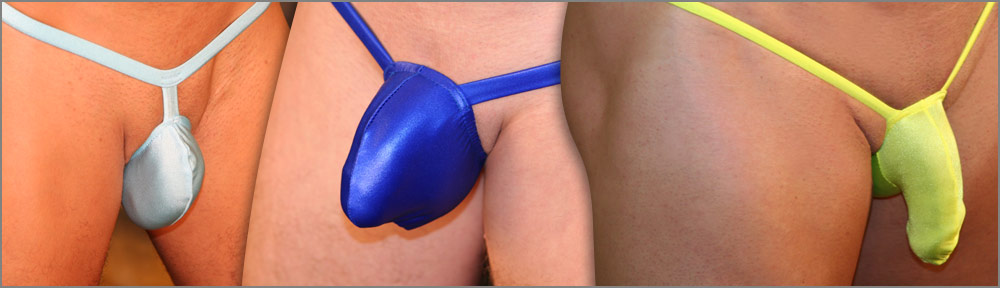

The Right Swimsuit for Guys with Small Penises
Why Bikini, Thong, and G-String Styles with Compression Pouches Work Best
For many men, especially those with smaller or more compact anatomy, choosing swimwear can feel unnecessarily intimidating. Traditional swimsuits often assume size, creating excess fabric, collapsing pouches, or awkward wrinkling that actually draws attention to the very thing you’re trying not to think about.
The truth is simple: size is not the issue—design is.
Modern men’s swimwear has evolved to focus on structure, compression, and intentional minimalism. Bikini, thong, and G-string styles with compression-style pouches are among the most flattering and confidence-boosting options available for men with smaller penises.
Why Smaller, Compression Pouches Look Better Than Large Ones
One of the most common mistakes men make is choosing swimsuits with oversized or exaggerated pouches designed to accommodate large bulges.
These designs often:
- Collapse when wet
- Create empty folds or wrinkles
- Look unfinished or sloppy
- Emphasize lack of fill rather than hide it
Compression-style pouches solve this problem completely.
A properly designed compression pouch:
- Holds everything firmly in place
- Eliminates sagging and dead space
- Creates a smooth, consistent front profile
- Looks sleek and intentional at all times
Instead of trying to fill space, the suit defines the shape. This is why compression pouches always look full—regardless of anatomy.
Bikini Swimsuits: Clean, Athletic, and Balanced
Men’s swim bikinis are one of the most underrated and effective options for guys with smaller penises.
Why bikinis work so well:
- Shallow, structured fronts prevent collapse
- Compression keeps everything centered and smooth
- Low-rise cuts visually lengthen the torso
- Narrow side panels pull focus away from the pouch
A well-cut bikini with a compression or flat-front pouch creates a streamlined, athletic silhouette that looks deliberate and confident—especially on lean or toned bodies.
Thong Swimsuits: Maximum Control, Minimal Distraction
Thong swimsuits are often misunderstood, but for men with smaller packages, they are one of the most flattering designs available.
What makes thongs ideal:
- Minimal front fabric means no excess material to wrinkle
- Compression pouches eliminate empty space entirely
- Visual attention shifts to hips, legs, and glutes
- Everything stays securely in place, even when wet
Because thongs rely on precision rather than volume, they make penis size largely irrelevant. The result is a sleek, confident look that never appears underfilled or awkward.
G-String Swimsuits: Ultra-Minimal, Ultra-Effective
For men who prefer the most streamlined and bold option, G-string swimsuits with compression fronts are the ultimate equalizer.
Why G-strings work so well:
- The pouch is small by design—there is no room for sagging
- Compression ensures a firm, smooth appearance
- No excess fabric means no visual gaps
- Confidence comes from the cut, not the bulge
In G-strings, everyone looks proportionate, because the swimsuit dictates the profile rather than anatomy.
Compression Fabric: The Most Important Factor
Across bikinis, thongs, and G-strings, the single most important element is fabric quality and compression strength.
Look for:
- High spandex or elastane content
- Firm but flexible stretch
- Double-layer or reinforced front panels
- Matte or semi-matte finishes (they hide texture best)
Compression fabric:
- Smooths the front profile
- Prevents shrinkage panic in cold water
- Maintains shape when wet or dry
- Keeps the swimsuit looking intentionally “full”
This is why premium brands such as Koalaswim focus on micro and controlled pouch engineering rather than oversized anatomical shaping.
Color, Cut, and Design Choices That Help Instantly
Smart styling enhances even the best design.
Best choices
- Solid dark colors like black, navy, or deep red
- High-contrast trims or side accents
- Vertical seams or paneling
- Low-rise cuts that lengthen the torso
Styles to avoid
- Thin, shiny fabrics with no structure
- Oversized anatomical pouches
- Loose or “roomy” fronts
- Very light colors without lining
Confidence Comes From Fit, Not Size
The reality is straightforward:
A smaller penis does not look bad in swimwear—poorly designed swimwear does.
Bikini, thong, and G-string swimsuits with compression pouches:
- Eliminate awkward proportions
- Remove visual insecurity
- Look modern, intentional, and stylish
- Shift attention to confidence and body presence
When the swimsuit is engineered to fit properly, size stops being the focus—and confidence takes over.
