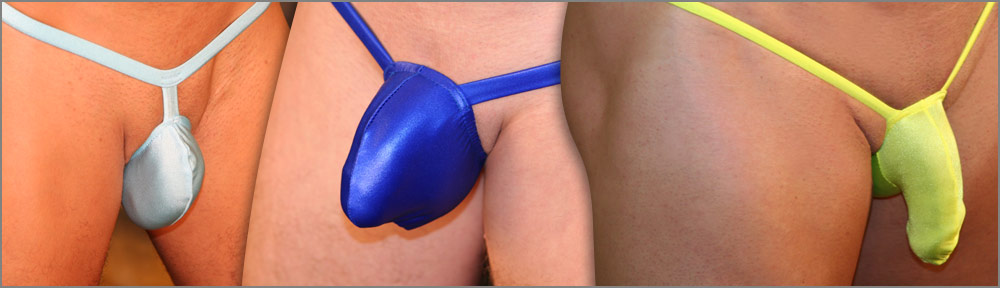

How Speedos Started It All: The Origin of Men Wearing Bikinis, Thongs, and Even G-Strings
Long before men’s swimwear exploded into today’s world of bikinis, thongs, and ultra-minimal G-strings, there was one garment that quietly—but permanently—changed everything: the Speedo. What began as a performance-driven swim brief evolved into a cultural reset, normalizing body-hugging, leg-revealing swimwear for men and laying the groundwork for nearly every daring men’s swimsuit design that followed.
Before Speedos: When Men Hid in the Water
In the early 20th century, men’s swimwear was bulky, modest, and restrictive. Wool trunks, tank-style suits, and knee-length shorts dominated beaches and pools. Swimming was practical, not expressive—and showing thigh, hip, or body contour was largely taboo for men.
The idea that men could wear something as small, sculpted, and unapologetically revealing as women’s swimwear simply didn’t exist yet.
The Speedo Revolution
That changed in the 1930s when Speedo introduced the modern men’s swim brief. Designed for performance, the Speedo eliminated excess fabric, freed the legs, and hugged the body for speed and efficiency. Its goals were athletic—but its impact was cultural.
For the first time, men were publicly wearing:
- High-cut leg openings
- A contoured front pouch
- Minimal rear coverage
- A silhouette that clearly showed body shape
And they were doing it in pools, beaches, competitions, and—most importantly—on television.
Normalization Through Sport
Speedos didn’t just appear; they were legitimized. Olympic swimmers, professional athletes, and competitive divers adopted them universally. When millions of viewers saw elite men confidently wearing tiny briefs on the world stage, the message was clear: this wasn’t scandalous—it was normal.
That visibility did something powerful:
- It separated size from sexuality
- It framed minimal swimwear as functional and masculine
- It gave men permission to be seen, sculpted, and exposed
By the 1960s and 70s, the Speedo was no longer shocking. It was standard.
Speedos as the Original Men’s Bikini
Strip away the labels and the Speedo is, functionally, a men’s bikini bottom:
- Narrow side panels
- High-cut hips
- Minimal fabric by design
Once men were comfortable wearing Speedos, the leap to other bikini-style designs became inevitable. Designers began experimenting:
- Thinner sides
- Lower rises
- More daring rear cuts
The psychological barrier had already been broken.
From Briefs to Thongs: The Evolution Continues
In the decades that followed, men’s swimwear diversified dramatically. Thongs and G-strings didn’t appear out of nowhere—they evolved naturally from the Speedo template.
Speedos proved:
- Men could wear small swimwear confidently
- Public spaces could accept male minimalism
- Comfort and confidence mattered more than convention
Thong swimwear simply pushed the same idea further: even less fabric, even more freedom, even more body awareness.
Cultural Confidence and Body Acceptance
Perhaps Speedos’ greatest contribution wasn’t aesthetic—it was psychological. They normalized the idea that men’s bodies didn’t need to be hidden. Thighs, hips, glutes, bulges—these weren’t problems to conceal but shapes that could exist naturally.
This shift paved the way for:
- Body-positive swimwear
- Gender-fluid and expressive designs
- Men choosing swimwear for how it feels, not just how it conforms
Once men were seen wearing Speedos without shame, everything else became negotiable.
Why Speedos Still Matter Today
Even now, every micro-bikini, thong, or G-string for men traces its lineage back to that original brief. Speedos didn’t just create a product—they created permission.
They taught the world that:
- Small doesn’t mean inappropriate
- Exposure doesn’t negate masculinity
- Confidence transforms perception
What once looked radical now looks inevitable.
The Legacy: Speedos Started It All
Men wearing bikinis, thongs, and ultra-minimal swimwear didn’t happen overnight—and it didn’t happen by accident. It started when Speedos stepped onto the beach and into the pool, redefining what men could wear in public without apology.
Every daring man’s swimsuit today—no matter how small—owes a quiet debt to that original brief that dared to say: less fabric, more freedom.