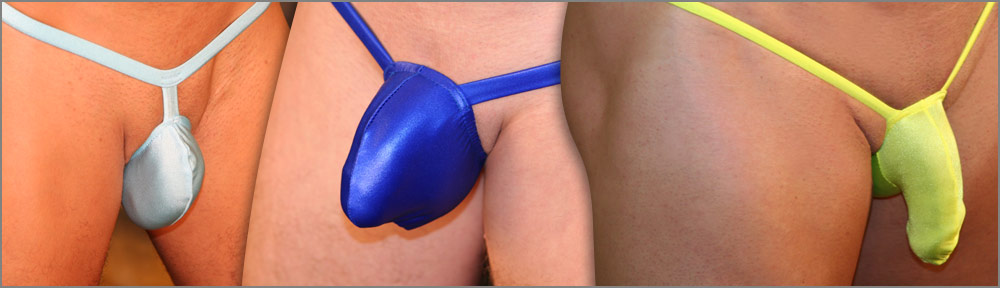
A (Very) Detailed History of Men’s Swimwear: 1800s → Today’s Ultra-Micro Era
1) 1800s: Bathing as Medicine, Modesty as Law
- Purpose: Sea bathing was promoted for health; “mixed bathing” (men and women together) was often regulated or banned in many places.
- What men wore: Heavy wool or flannel “bathing drawers” or full bathing costumes—knee-length shorts with a short-sleeve or sleeveless tunic on top. Dark colors concealed the body when wet.
- Design logic: Fabrics had to be sturdy in surf and “decent” when soaked. Weight and itchiness were tolerated; style wasn’t the point.
- Rules & norms: Municipal codes and resort rules enforced covered torsos and thighs; men exposing the chest was considered indecent in many locales until the early 20th century.
2) 1900–1920s: From Bathing Costumes to Athletic Suits

- Shift to sport: Competitive swimming grew; lifesaving clubs and natatoriums normalized swimming as fitness, not just “taking the waters.”
- Materials: Wool remained standard, but knits improved stretch and fit.
- Silhouette: The union suit look persisted—shorts attached to a singlet or short shirt. Coastal towns still required covered chests for men on public beaches.
- Performance influence: Streamlined one-piece suits appeared for racing to reduce drag compared to baggy woolens.
3) Late 1920s–1930s: The Great Uncovering
- Racerback innovation: Athletic suits adopted racerback and tank shapes; some brands introduced lighter, faster-drying blends.
- Legal/cultural thaw: Cities gradually relaxed rules against bare male chests on beaches. By the late 1930s in many places, men were wearing separate trunks without tops.
- Fabric milestones: Early rubberized yarns and elasticized blends (e.g., Lastex) brought stretch and recovery; nylon appeared commercially at decade’s end (widespread adoption came later).
4) 1940s: Utility, Wartime Constraints, and the Trunk Ascendant
- Wartime frugality: Less fabric, simpler patterns.
- Look: High-waisted woven trunks with belt tabs or side adjusters; some knit trunks for sport. Cuts still modest by today’s standards.
- Sport crossover: Competitive swimmers favored sleek, minimal knit trunks; spectators saw them in newsreels and Olympics coverage, normalizing the style.
5) 1950s: Modern Fibers, Vacation Culture
- Materials: Nylon and improved synthetic blends sped drying, reduced sag, and enabled brighter prints.
- Silhouettes bifurcate:
- Resort trunks: Mid-thigh, tailored, often with belts or button tabs—styled for hotels and cruise decks.
- Swim briefs (racing briefs): Close-fitting knits used by athletes; gradually trickled into public beachwear in Europe and parts of Australia.
6) 1960s: The Era of the Brief
- Cultural backdrop: Youth culture, surf movies, Mediterranean holidays.
- Mainstreaming briefs: Men’s swim briefs (what many call “Speedos”) spread from pools to beaches in Europe, Australia, and select U.S. coasts.
- Fabric leap: Spandex (elastane/“Lycra”) arrived in consumer swimwear during this period/early 1970s—transformational stretch, snap, and durability.
7) 1970s: Short, Stretchy, Sunny
- Cuts: Low-rise briefs and short shorts. Runners’ shorts and beach shorts shared DNA—high side slits, short inseams.
- Prints & palette: Stripes, color-blocking, and bright tropicals became common.
- Regional norms: Briefs common in Europe, Latin America, Australia; in the U.S., regions split—California/Florida more brief-friendly than many inland beaches.
8) 1980s: Performance Tech and the First Micro Wave
- Sports tech: Competitive suits experimented with paneling, compression, and hydrodynamics.
- Fashion extremes: String bikinis and the first men’s thongs appeared on certain European and Brazilian beaches and private resorts; aerobics culture and bodybuilding showcased ultra-tight silhouettes.
- Beachwear duality: Everyday guys still wore short trunks; adventurous crowds explored micro-briefs and high-cut sides.
9) 1990s: Boardshorts Take Over (But Not Everywhere)
- Surf culture boom: Long, baggy boardshorts dominated mainstream menswear in North America and much of Asia-Pacific.
- Competitive pool: Briefs remained standard for training/racing.
- Niche persistence: In Europe, Brazil, and parts of Australia, classic briefs stayed normal; micro cuts lived on in club/resort scenes.
10) 2000s: Two Worlds, One Beach
- Mainstream: Knee-length boardshorts; cargo details, loud prints.
- Countercurrent: Fitness and gay resort culture kept briefs, bikini cuts, and thongs alive. Early e-commerce enabled micro-niche brands to reach global fans.
- Fabric refinement: Better chlorine resistance, UV protection, and softer elastanes improved comfort across categories.
11) 2010s: The Great Shortening & Return of the Brief
- Style recalibration: Trunk inseams crept from 7–9″ down to 4–5″; square-cuts and Euro trunks gained traction alongside a revival of classic briefs.
- Influencers & festivals: Social media, Pride events, and festival culture amplified bold colors, metallics, sheer panels, and novelty cuts.
- Athletic crossover: Compression-inspired fits and seamless knitting informed both training and leisure swim.
12) 2020s–Present: Max Choice, Micro Fabric
- Mainstream pluralism: Everything coexists—5″ trunks, square-cuts, briefs—with growing acceptance of body-conscious silhouettes.
- Tech & sustainability: Recycled polyamides, improved chlorine/UV resistance, bonded seams, laser-cut edges, quick-dry liners.
- Aesthetics: Solid brights, retro stripes, saturated pastels, and high-gloss finishes—plus a thriving world of micro and ultra-micro designs online.
The Design Families (and How They Evolved)
A) Woven Trunks & Boardshorts
- Origin: 1940s–50s tailored trunks; 1990s boardshort explosion.
- Why they stick: Pockets and a casual look; easy crossover to streetwear.
- Modern twists: Shorter inseams, 4-way stretch, perforated/mesh liners, sustainable fabrics.
B) Knit Briefs & Square-Cuts
- Origin: Athletic pools (1920s–60s), mass adoption (1960s–70s).
- Why they stick: Hydrodynamics, freedom of movement, tan efficiency.
- Modern twists: Contoured pouches, seamless knit zones, anti-roll waistbands, minimalist branding.
C) Micro, Ultra-Micro, and Extreme Cuts
These existed at the edges since the 1980s and have surged thanks to niche brands, online retail, and festival/resort culture.
- Micro-brief: Very low rise, narrow sides, minimal back coverage.
- Mini-bikini / “Rio” brief: Low rise with slightly more seat than a thong.
- T-back / Thong: String or narrow back strap; maximal glute exposure.
- G-string: Waist string + pouch + slender tail; near-invisible sides.
- Sling/“suspender” suit (a.k.a. mankini variants): Pouch with straps that rise over shoulders; back often thong-like.
- C-string / strapless concepts: Rigid or semi-rigid frame holds a minimal pouch without side straps (novelty, limited practicality).
- T-front & split-pouch designs: Aesthetic or anatomical channeling; sometimes “bulge-enhancing,” sometimes bulge-minimizing.
- Sheer/mesh/power-net panels: Visual drama; often resort/clubwear or private-pool contexts.
- Gender-affirming & tucking styles: Specialized patterning and lining for a smoother, flatter front; reflects evolving gender-inclusive design.
- Bulge-minimizing (“modesty”) vs. enhancing pouches: Two opposite trends shaped by different comfort and aesthetic goals.
Context matters: Laws and resort rules vary. Some public beaches restrict thongs or transparencies; private venues and festivals typically allow more adventurous cuts.
Milestones in Fabric & Construction (Why Fit Keeps Getting Better)
- Wool knits → elasticized blends (1910s–30s): Better fit, less sag.
- Nylon & synthetics (1940s–60s): Faster drying, vivid color.
- Spandex/elastane (1960s onward): True stretch and recovery; enabled micro silhouettes that stay put.
- Bonded seams & laser cutting (2010s): Flatter profiles, less chafing.
- Chlorine-resistant elastanes & UPF finishes: Longer life for pool users.
- Recycled yarns (late 2010s–present): Sustainability without sacrificing performance.
Regional Culture & Norms (Why What’s “Normal” Changes by Beach)
- Europe (Mediterranean), Brazil, Australia: Briefs and micro-briefs have long been standard; thongs appear at certain beaches and resort contexts.
- North America: Historically modest; boardshorts and trunks dominated 1990s–2000s. Since the 2010s, a strong return to short trunks and briefs—with micro styles visible at Pride, festivals, cruise/resort scenes, and creator-led beach meetups.
- Asia: Mix of conservative norms and surf culture; resorts and private clubs often set the tone.
Why Ultra-Micro Exists (and Keeps Growing)
- Tech + fit: Elastane-rich knits and precision patterning make tiny suits wearable without wardrobe malfunctions.
- Tan lines & aesthetics: Minimal coverage for maximum sun and a sculpted look.
- Body positivity & self-expression: Broader acceptance of diverse bodies and styles.
- Niche brands + e-commerce: Direct-to-consumer labels can serve very specific tastes globally.
- Event culture: Pride, cruises, destination resorts, and nightclub pools create safe, celebratory spaces for bolder silhouettes.
Quick Timeline Summary
- 1800s: Heavy wool tunics + shorts; modesty laws.
- 1900s–20s: Athletic union suits; chest coverage still required many places.
- 1930s: Topless for men becomes legal/socially acceptable; knit trunks emerge.
- 1940s–50s: Tailored trunks (resort), knit trunks (sport); nylon enters.
- 1960s: Spandex revolution; briefs move to beaches.
- 1970s: Low-rise briefs, short shorts, bright prints.
- 1980s: Performance tech + first large-scale micro/thong wave in select regions.
- 1990s: Boardshorts rule mainstream; briefs persist in sport/resorts.
- 2000s: Two-track world (boardshort mainstream; micro niches online).
- 2010s: Return of short trunks & briefs; seamless tech; influencer era.
- 2020s–Now: Max choice from modest to ultra-micro; sustainability and gender-inclusive patterning.
How to Choose (A Practical Lens)
- Venue: Public family beach? Many go with short trunks or square-cuts. Private resort/festival? Micro, thong, or sling might be welcome.
- Activity: Lap swimming favors briefs/square-cuts; surfing prefers boardshorts; lounging invites anything comfortable.
- Comfort & support: Look for lined pouches, elastic quality, and stitch placement; ultra-micro suits require excellent patterning and fabric recovery.
- Care: Rinse after chlorine/salt, avoid high heat, and mind sunscreen stains; elastane lasts longer with gentle handling.